President
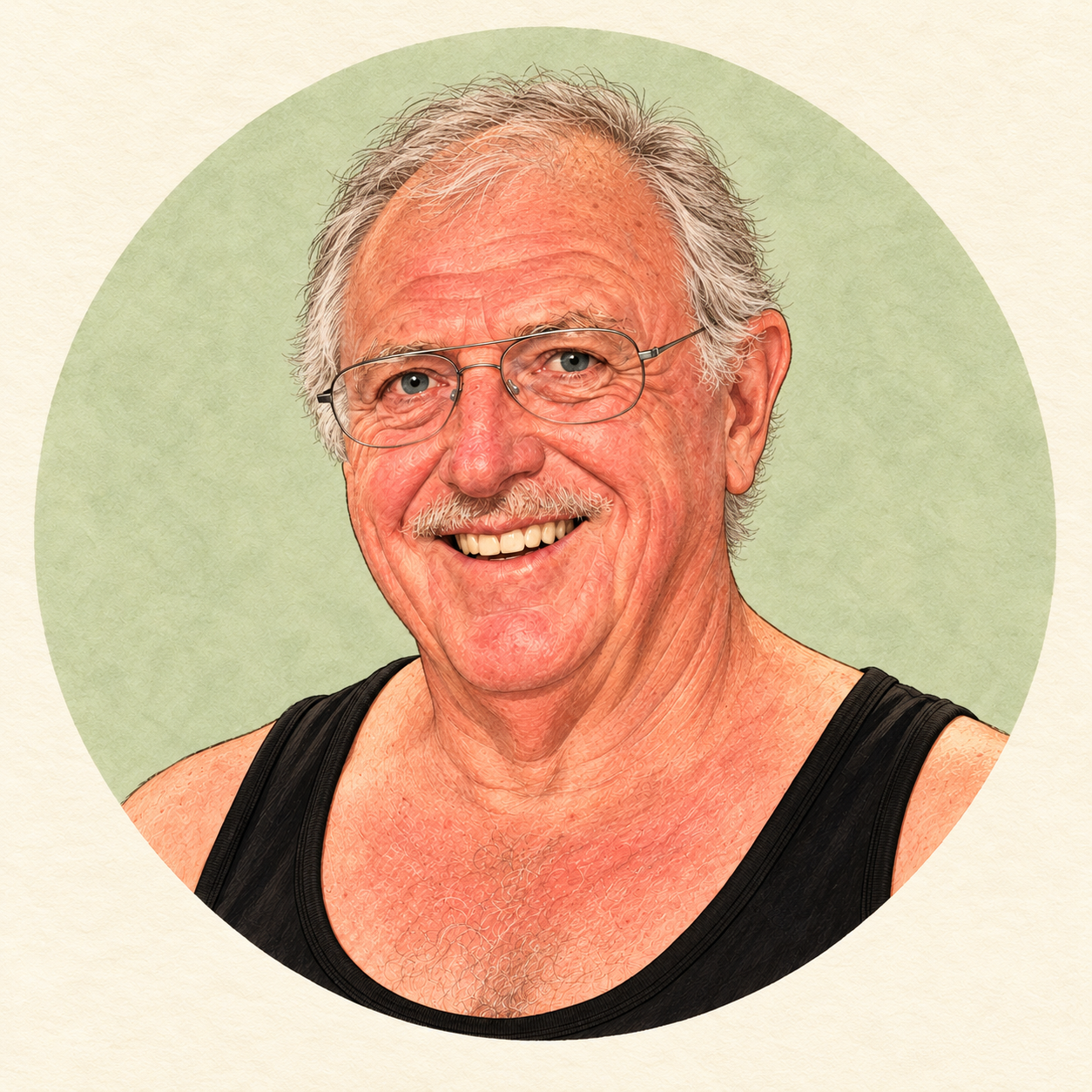
Terry Crane
Leads the committee, chairs meetings and speaks for the Society to Council, neighbours and visitors.
Our people
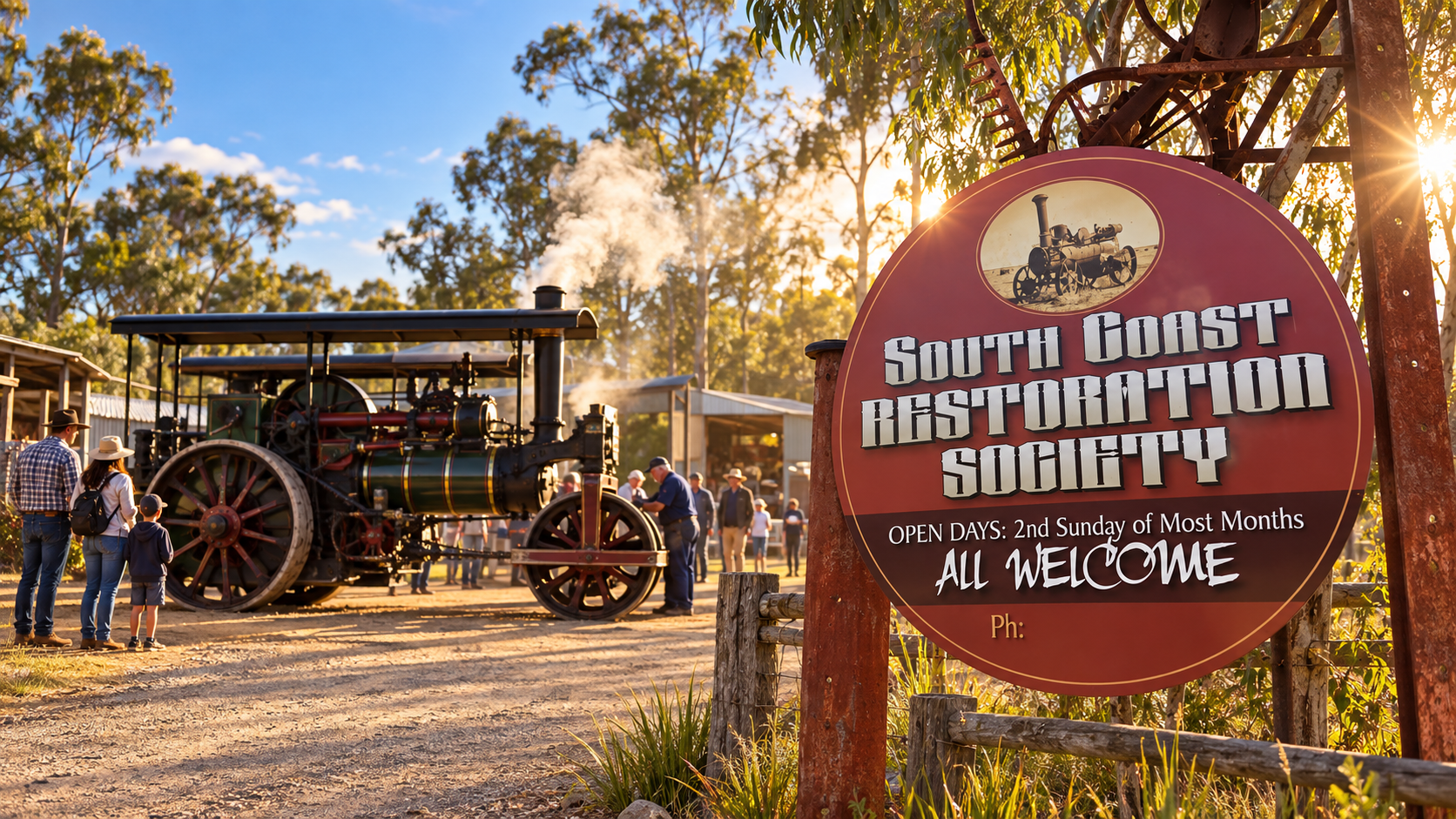
Heritage Park is more than a collection of machines. It is the work of generations of members and committees who repaired, restored, recorded and opened the gates for the community.
A short history
The Society's story is a story of service: members who turned up on weekends, committees who kept the records straight, and families who passed the interest on.
From 1981
The Society's published history dates its beginnings to 1981, formed to restore and preserve historic vehicles, stationary motors, steam engines and machinery. From the start it was members, not staff, who did the work.
Over the years
Members have given their time, tools and know-how to build the displays and individual collections at Heritage Park. Restorations move slowly: a bearing freed, a panel beaten, a motor coaxed back to life, with knowledge passed from one member to the next.
Service recognised
Long service is recognised through life membership, and the club's care for its community is recorded in certificates of appreciation from the groups it has helped. Both are on this website for members and visitors to read.
The next chapter
We are gathering photographs, minutes, records and memories so that the club's history names the people who built it, and so that the skills held by older members are written down for those who follow.
Dated records, photographs or corrections are always welcome. Send them to the Secretary.
The committee
The committee is elected by members at the Annual General Meeting. Each role carries work that keeps the Society running between meetings.
President
Leads the committee, chairs meetings and speaks for the Society to Council, neighbours and visitors.
Vice-President
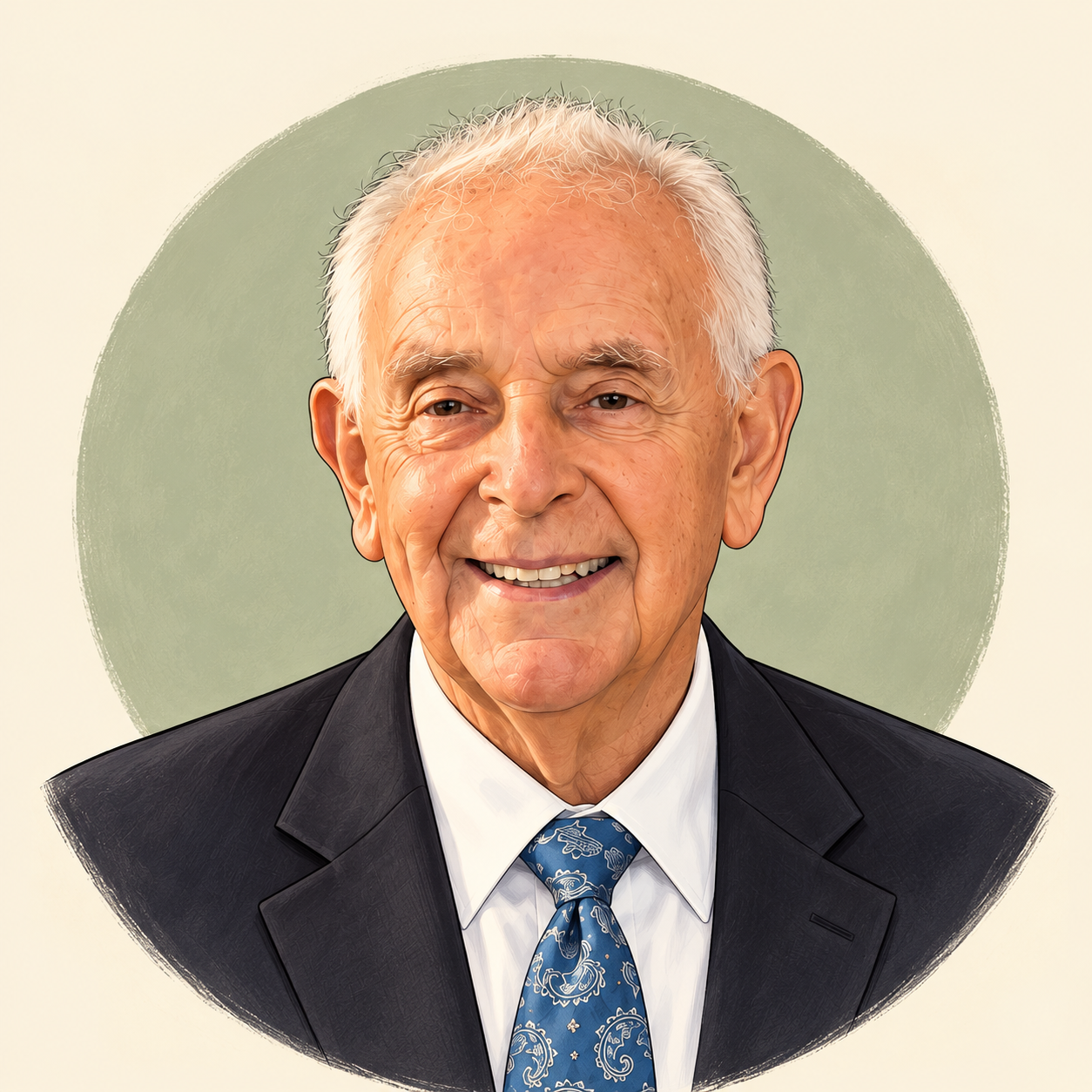
Supports the President, stands in when needed and helps carry committee decisions into the working programme.
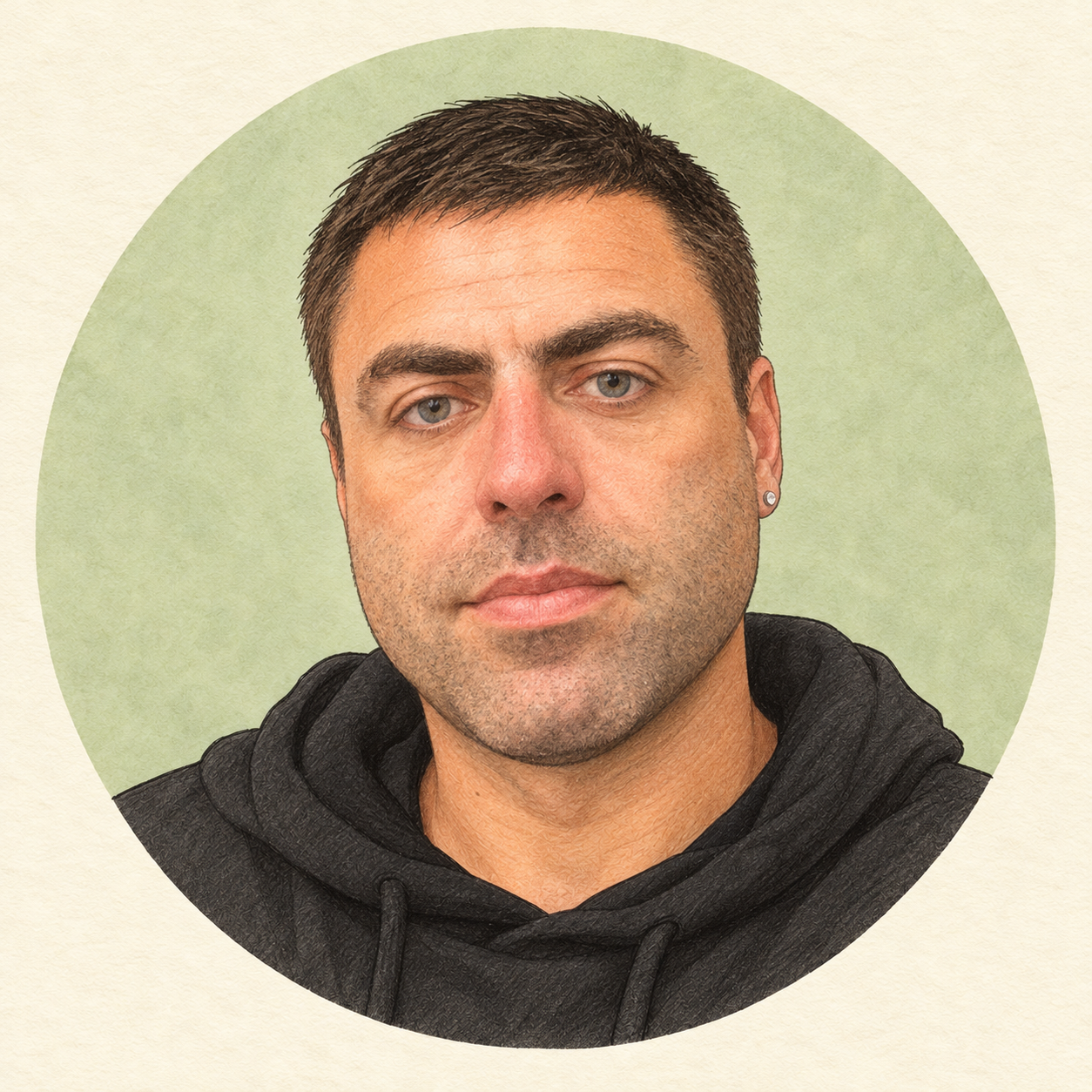
Secretary
Handles official correspondence, meeting records and the membership register, and keeps the Society's records in order.
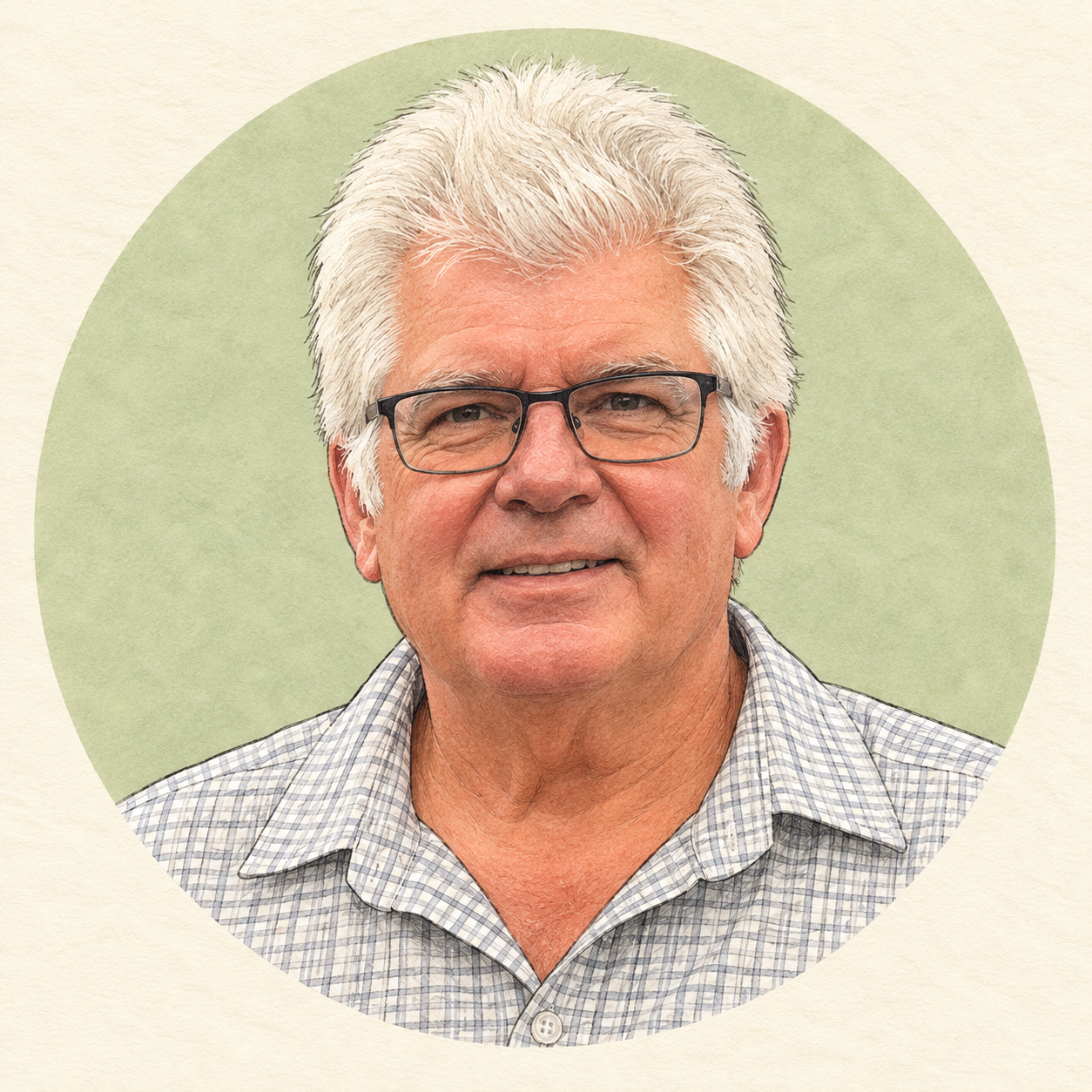
Treasurer
Looks after membership payments, banking and financial records, and reports on the club's funds to the committee.
Committee members share the decisions and take on open days, working bees, restoration and the everyday jobs that keep the gates open.
What members do
Nobody is paid to run this club. Every display, shed, track and open day exists because members gave their time to it.
Members clean, repair, paint and interpret the vehicles, engines and machinery, often over years, so the collection still runs and still tells its story.
See the collection's storyRegular working bees do the unglamorous work: grounds, sheds, tracks, machinery and preparation for visitors.
Working bee detailsMembers work through clean-up lists on buildings, tanks, sheds and grounds, photographing what was done and reporting what still needs attention.
See the clean-up tasksSetting up, showing visitors around, running the machinery, serving afternoon tea and packing up afterwards, all done by members on the day.
Plan an open day visitMembers host schools, community groups and NDIS visitors, and share the site's history with people who have never seen a working steam engine.
Group and NDIS visitsCataloguing, photography, minutes and oral history keep the club accountable and keep hard-won knowledge from being lost.
Certificates of appreciationMembers and visitors can send a public thank-you to someone who has done good work for the club, or nominate them for life membership.
Life membership is the Society's highest recognition of a member. It is awarded by the committee for a record of service, not for a single job, and it is held for life.
Members awarded life membership by the Society, with the citation recorded for each.
Life members will be honoured here. Nominations are open below.
Every donation goes towards restoring machinery, caring for the collection and keeping open days free for the community. Donations to SCRS are not tax-deductible.